
October 15, 2006: Hawaii Earthquake - Stan Deyo | Climate and Extinction - Peter Ward
Stan Deyo explains that his Navy-derived seismic stress data detected signals west of Hawaii days before the quake. He raises concerns about the unusual pattern of aftershocks resembling a collapsing caldera edge and warns of potential stress building toward the San Francisco coast. The conversation touches on whether the quake could trigger volcanic eruptions or further instability beneath the islands.
Peter Ward, professor of biology and earth sciences at the University of Washington, shifts the focus to mass extinction. He describes how oxygen levels have swung dramatically over Earth history, argues that dinosaurs evolved specifically as low-oxygen specialists, and warns that rising carbon dioxide could push oceans into toxic hydrogen sulfide production. Ward points to growing oceanic dead zones as early evidence that the conditions behind past extinction events may be returning.
Key Moments
Stan Deyo: Hawaii quake may presage volcanic eruption: Deyo says the rapid run of 50 aftershocks suggests something flimsy in the plate, possibly a magma chamber, and warns eruptive action could follow.
Could a Hawaiian island fall into the sea?: Art asks whether a chamber collapse beneath Hawaii could drop an island; Deyo admits the same thought crossed his mind and calls it a worry.
Conveyor belt shutdown and ocean dead zones: Peter Ward explains that a slowing thermohaline conveyor would dump oxygen-poor water on ocean bottoms, building dead zones where toxic bacteria gas the planet.
No fix without world government: Ward relays climatologist David Battisti's grim conclusion: real action requires a world government, which only a biblical-scale catastrophe will produce.
NASA scientist muzzled on global warming: Ward describes astrobiology funding being cut and a senior NASA climate scientist muzzled by White House order, as Art asks whether bad climate news is being suppressed.
Books by These Guests
Selected titles from the guest bibliography. Use them as context for this appearance, not required listening.
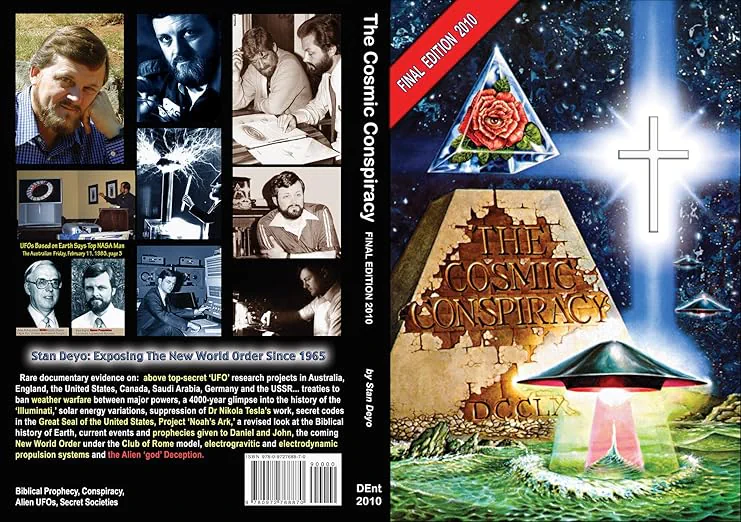

The Vindicator Scrolls
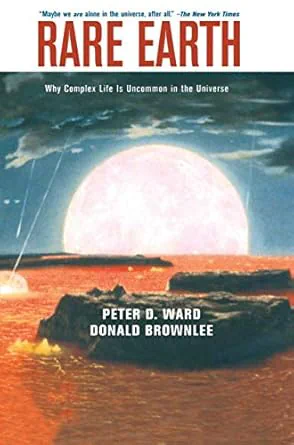
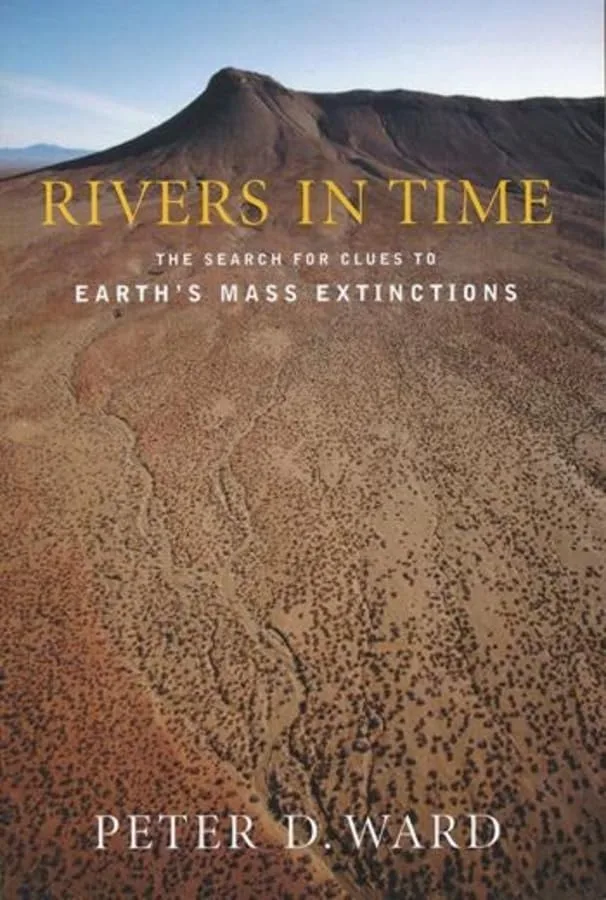
Rivers in Time: The Search for Clues to Earth's Mass Extinctions
Continue exploring
Paths out of this episode
A stronger next move anchored to this specific broadcast.