
November 15, 2003: UFO Reports - Peter Davenport | Nanotechnology & Fuzzy Logic - Bart Kosko
Art then administers the John Lear test to both guests, playing the infamous briefing scenario and asking whether they would disclose the information to the American public. Davenport argues firmly for full transparency, citing the First Amendment and his confidence in the resilience of the American people. Bart Kosko, professor of electrical engineering at USC, agrees and adds that collective intelligence through open information would yield better solutions than secrecy.
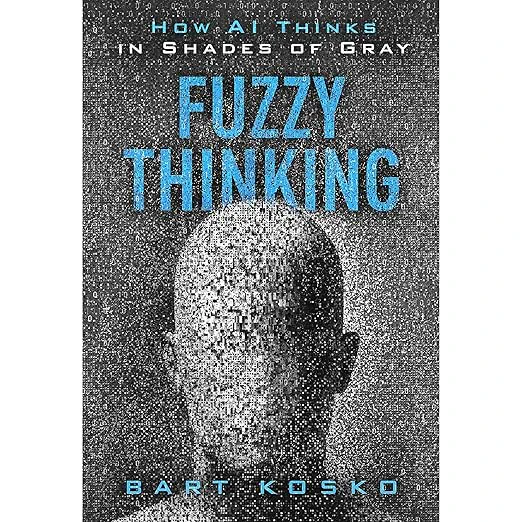
Kosko then shifts the conversation to the frontiers of nanotechnology, discussing carbon nanotubes, their potential for computing and materials science, and his provocative book Heaven in a Chip. He proposes that consciousness could eventually be transferred from biological brains to silicon, offering a form of technological immortality as processing power surpasses neural capacity within 10 to 15 years.
Key Moments
Davenport: UFOs in U.S. airspace 'virtually every day': Peter Davenport tells Art that based on nine years of National UFO Reporting Center data, UFOs appear over American airspace nearly every day, and the public only notices when something prompts them to look up.
Kosko on post-9/11 ID implants and digital footprints: Art asks whether another major attack could push America toward mandatory ID implants. Kosko credits bin Laden with effectively amending the Constitution and predicts shrunken processors will leave digital footprints corporations and government can track.
Gray goo and 'smart goo' nanoweapons: Art proposes a hypothetical government request to build a nano weapon with a voracious appetite. Kosko discusses the gray-goo scenario and a more selective 'smart goo' that eats only certain targets, calling such offensive work immoral except as a defensive counter-goo.
Fuzzy logic and the 'fuzzy degree of life': Kosko describes a scene from his novel Nanotime where a gestating child in a diamond-like egg has its 'fuzzy degree of life' displayed on screen as a percentage, illustrating his argument that life and viability are a curve, not a line.
Nanobots vs. cancer: hopeful but speculative: A caller asks if injectable nanobots could one day hunt cancers and tumors. Kosko calls it pure speculation, noting the immune system tears foreign bodies apart, but imagines killer-T-cell-like devices and a 'nanosignal' fat-cell killer for weight loss.
Books by This Guest
Selected titles from the guest bibliography. Use them as context for this appearance, not required listening.
Continue exploring
Paths out of this episode
A stronger next move anchored to this specific broadcast.