Art Bell asks about the recently discovered Comet Hale-Bopp, which shares several characteristics with Nibiru including a retrograde orbit, an estimated return period near 3,600 years, and its appearance from the constellation Sagittarius. Sitchin considers Hale-Bopp not Nibiru itself but potentially a harbinger, noting that Nibiru should be three to four times the size of Earth. He discusses how the Anunnaki, meaning "those who from heaven to Earth came," used genetic engineering to create modern humans from early hominids roughly 270,000 years ago.
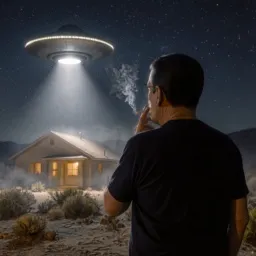
Sitchin addresses the UFO phenomenon, suggesting current sightings represent android emissaries rather than the Anunnaki themselves, and warns that overpopulation and human evil may determine whether advanced beings choose to assist or abandon humanity when Nibiru eventually returns.
Key Moments
Sitchin: Sumerian texts describe Nibiru's collision that created Earth and the asteroid belt: Sitchin lays out the core thesis from 6,000-year-old Mesopotamian tablets: an invader planet - Nibiru, 'planet of the crossing' - was drawn into the early solar system, collided with a planet between Mars and Jupiter, smashing half into the asteroid belt and shunting the other half into the orbit we now call Earth.
Nibiru's 3,600-year retrograde orbit and the twelfth-member solar system: Sitchin explains that Nibiru - renamed Marduk by the Babylonians - entered a vast elliptical, retrograde orbit lasting roughly 3,600 Earth years and was counted by the Sumerians as the twelfth member of the solar system (sun + moon + ten planets).
Sitchin: stop the chauvinism - search for intelligent life inside our own solar system: Sitchin pushes back on Earth-centric assumptions: the Anunnaki of Nibiru would have wondered how life existed so close to the sun, just as we wonder how it exists so far away. He argues SETI is looking the wrong direction; the evidence points to neighbors within our own solar system.
Books by This Guest
Selected titles from the guest bibliography. Use them as context for this appearance, not required listening.
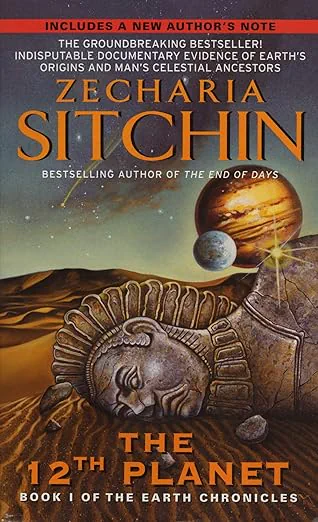
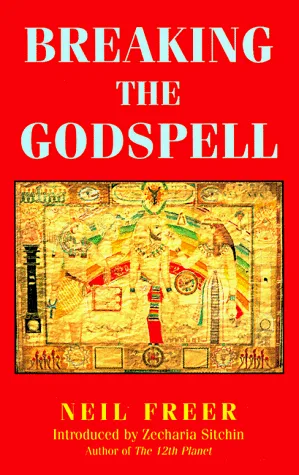
Breaking the Godspell (Future Is Now Series)

Divine Encounters: A Guide to Visions, Angels and Other Emissaries
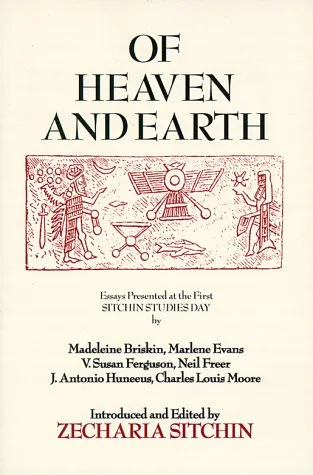
Of Heaven and Earth: Essays Presented at the First Sitchin Studies Day
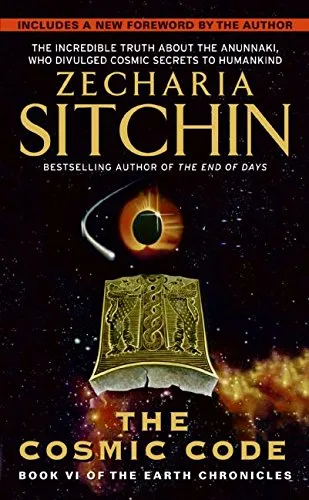
The Cosmic Code (6th Book of Earth Chronicles)
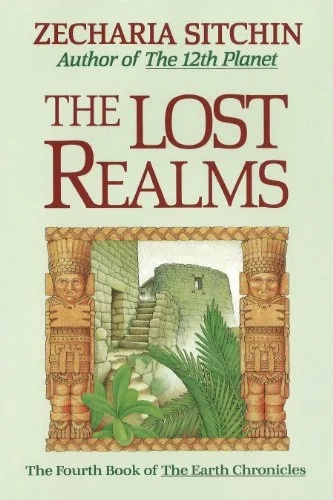
The Lost Realms (4th Book of Earth Chronicles)
Continue exploring
Paths out of this episode
A stronger next move anchored to this specific broadcast.