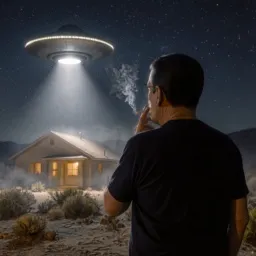
Jacobs lays out his controversial thesis that the abduction phenomenon centers on a systematic hybridization program. He explains how women report being used as hosts for hybrid fetuses, and describes a hierarchy of beings observed aboard craft, from insectoid commanders to various stages of increasingly human-looking hybrids. He characterizes the alien social structure as resembling a hive, with telepathic communication, restricted emotional range, and no apparent interest in human political or cultural institutions.
Art presses Jacobs on whether resistance is possible. Jacobs admits he sees few options, noting that the beings possess neurological control capabilities humans cannot counter. He estimates the phenomenon began around the 1890s and has spread intergenerationally, with perhaps five percent of the population affected. Despite calling his own conclusions embarrassing, Jacobs maintains the evidence from independent witnesses consistently points in the same troubling direction.
Key Moments
Jacobs: abductions are a goal-directed alien program: Jacobs admits The Threat is 'downright embarrassing' for an academic but stands by its core claim - that abductions are not study, experiment or learning but a systematic, goal-directed agenda that may be an integration, colonization, or takeover.
Bell notes shift in caller reports of abduction sex: Bell tells Jacobs that for years women never called the show describing sexual experiences in abductions, but in the past two or three years - especially the past year - he has been getting many such calls, suggesting a cultural opening Jacobs attributes to programs like Coast.
Hopkins's 'Intruders' baby case as turning point: Jacobs recounts Bud Hopkins phoning him around 1983 to describe the case (later in Intruders) of a woman shown an odd hybrid baby with a crest - the moment Jacobs says astonished him and reframed abduction research around hybridization.
Why the abduction program stays hidden: Jacobs argues the phenomenon is clandestine for one bottom-line reason: the beings don't want humans to know about the hybridization program because we might object and try to stop it - and that, he says, cannot be allowed.
Aliens as a hyper-logical, telepathic, hive-like society: In a long speculative arc, Jacobs sketches alien society as telepathic, lacking facial expression and body language, with a restricted emotional range and an extreme logical mentality - no art, music, literature or recreation as humans know them.
Preserved source
From the original ArtBell.com archive
The 2003 commemorative archive preserves the contemporary listing for this broadcast. Links and descriptions reflect the original site and may be outdated.
View the original program listingBooks by This Guest
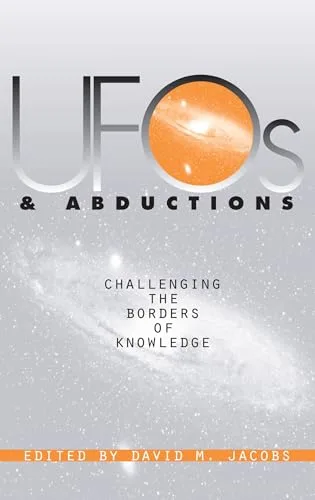
Selected titles from the guest bibliography. Use them as context for this appearance, not required listening.


Continue exploring
Paths out of this episode
A stronger next move anchored to this specific broadcast.