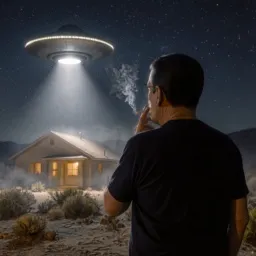
Regehr shares data obtained through the Freedom of Information Act showing 316 "fast walker" detections recorded between 1973 and 1992 by geosynchronous orbit sensors. These objects displayed time-intensity profiles that could not be matched to any known aircraft or natural phenomena. He also describes a 1964 incident in which an Atlas F ICBM launched from Vandenberg was filmed being destroyed by a UFO that circled it and fired light beams at the missile. The Soviet Union expressed concern that mass UFO transitions could trigger false identification as a missile attack.
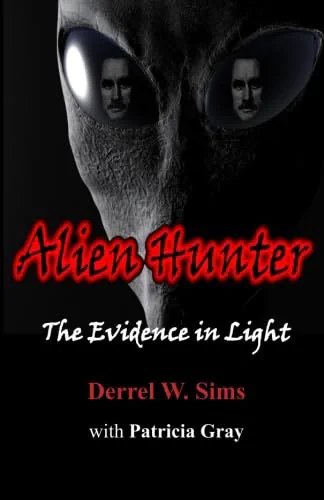
Sims discusses his discovery of the pilots who intercepted UFOs over Washington, D.C. in 1952, revealing they were threatened into silence after landing. He describes collaboration with Regehr to correlate abduction cases with satellite detection data, potentially proving UFO presence at abduction locations during reported events. Both guests also question why Mars imagery appears deliberately degraded compared to known satellite capabilities.
Key Moments
Pre-air phone outages on both guests: Bell, Regehr, and Sims confirm on air that both guests' primary phones went dead simultaneously in the minutes before broadcast, on a topic about classified surveillance satellites and UFO data, forcing a switch to backup numbers.
Geosynchronous fast-walker detection by digital signature: Regehr describes how DSP-class geosynchronous satellites are non-imaging: they emit a digital signal from visual, infrared, and ultraviolet sensors that gets matched against a stored library of time-intensity profiles (flashbulb-vs-match analogy) to categorize what triggered the detection.
316 fast walkers logged from FOIA records 1973-1992: Regehr reads from the FOIA-derived database in his book: three fast-walker events in 1973, five in 1974, more accumulating through the late 1970s, with a near-full page of 1992 entries totaling 316 unaccounted detections across the 1973-1992 span.
Books by This Guest
Selected titles from the guest bibliography. Use them as context for this appearance, not required listening.
Continue exploring
Paths out of this episode
A stronger next move anchored to this specific broadcast.