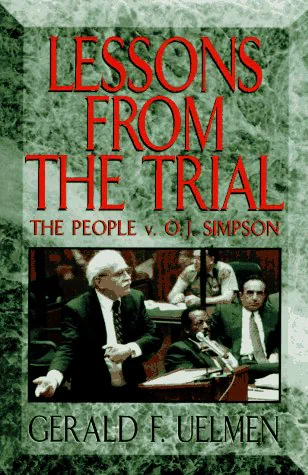
Uelmen reveals that the defense team fully intended to put Simpson on the stand, as Johnny Cochran's opening statement suggested, but reconsidered when they realized cross-examination would shift focus to the prior relationship rather than the events of June 12th. He discusses the suspicious blood evidence on the back gate, the famous glove demonstration, and takes credit for contributing the iconic line to Cochran's closing argument. The professor maintains his conviction in Simpson's innocence based on his personal assessment of the man.
The conversation broadens into deeper questions about equal justice, the role of wealth in legal defense, and the dangers of televised trials. Art then opens the lines for a wide-ranging discussion touching on the Alaska wildfire crisis, church burnings, and the so-called demon seeds from a listener in Seattle.
Key Moments
What TV missed: jurors saw white-carpet stairway during walkthrough: Uelmen describes the off-camera jury walkthrough of OJ's Rockingham home, where jurors silently registered the white-carpeted stairway up to the master bedroom and asked themselves how a blood-drenched killer reached that bedroom without leaving a single drop on the carpet.
Fourth Amendment fence-jump motion exposed police lying: Uelmen reframes the suppression motion (over detectives jumping the Rockingham fence without a warrant) as the moment that exposed police willingness to play games with the truth, planting the doubt that ultimately drove jurors to reject the LAPD messengers carrying the DNA evidence.
Prosecution arrogance and the Fuhrman blindside: Uelmen names the prosecution's primary failure: arrogance and a refusal to dig into Detective Fuhrman's background, ignoring plenty of warning signs about a witness who could - and did - blow up in their face.
Uelmen wrote 'If it doesn't fit, you must acquit': Uelmen confirms on air that he authored the line 'If it doesn't fit, you must acquit' for Johnnie Cochran's closing argument, and explains it came from the circumstantial-evidence jury instruction (jurors must adopt any reasonable interpretation pointing to innocence) more than from the glove demonstration itself.
Cameras delivered Kathleen Bell, Fuhrman impeachment witness: Uelmen credits the courtroom cameras with producing Kathleen Bell, who recognized Detective Fuhrman testifying on television as the same officer she had heard making racist remarks five years earlier - turning her into the key impeachment witness.
Books by This Guest
Selected titles from the guest bibliography. Use them as context for this appearance, not required listening.