
June 11, 2005: Dropping the Bomb - Dale Brown | Cross-Pacific Sailing Adventure - Susan Meckley
The program then features bestselling military thriller author and former B-52 navigator Dale Brown, who provides a firsthand account of pulling nuclear alert during the Cold War. Brown describes the experience of copying an actual combat execution message, putting on a lead eye patch designed to save one eye from nuclear flash, and the psychological weight of preparing to fight World War III with dial-a-boom weapons selectable from 150 kilotons to 1.1 megatons.
Brown argues that even an all-out nuclear exchange would not end the world, and controversially contends that most American presidents would choose not to retaliate after a nuclear first strike. He identifies Iran as a greater nuclear threat than North Korea, asserting that Iran likely purchased actual nuclear weapons from Russia following the Soviet collapse.
Key Moments
Susan Meckley's accidental jibe in the open Pacific: About three-quarters of the way to Hawaii, the 72-year-old solo sailor's boom swung across in an accidental jibe with enough force to rip components off the boat. She had to climb up and jury-rig repairs while still bouncing in heavy seas.
Even the President's voice can't stop a B-52 nuclear mission: Brown explains the chilling reality of strategic bombers: once a valid execution order is authenticated, voices on the radio - even your own wife or someone claiming to be the President - telling you to abort must be ignored until a properly formatted, authenticated recall arrives.
All-out nuclear war wouldn't end the world: Brown takes a contrarian position: even an all-out exchange - every ICBM, every sub-launched warhead, every B-52 weapon - would not end the world. He argues damage would be largely confined to the Northern Hemisphere with population areas and ICBM fields too scattered for total annihilation.
Dropping a bomb from 80 feet at six miles a minute: Brown's first B-52 weapon release was from 80 feet above the ground - in a windowless lower deck nicknamed 'the wine cellar', flying everything by radar scope and a checklist strapped to his leg, with the FB-111 capable of ten miles a minute that low.
If terrorists nuke an American city, we wouldn't retaliate: Brown argues that if the U.S. lost a city to a smuggled bomb, there's no target to strike back against. But North Korea is different - he says we have every target there mapped, and a desperate Pyongyang would simultaneously hit South Korea, Japan, Alaska, plus targets in China and Russia to deny their bases to U.S. forces.
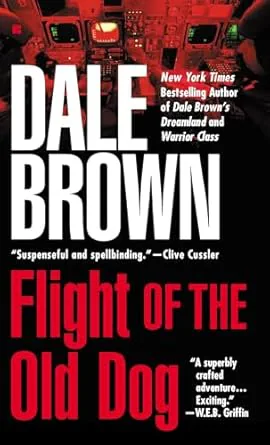
Books by This Guest
Selected titles from the guest bibliography. Use them as context for this appearance, not required listening.
Continue exploring
Paths out of this episode
A stronger next move anchored to this specific broadcast.