Simon traces his 20-year journey to bring What Dreams May Come to the screen, explaining how advances in visual effects technology and shifting cultural consciousness finally made the film possible. He describes the innovative LADAR process used to create the painted afterlife world, Robin Williams' immediate commitment to the project, and the creative decisions around depicting suicide and the afterlife without imposing any single religious framework.
The conversation grows personal when Simon shares the story of Amanda Weber, a 17-year-old terminal cancer patient whose fear dissolved after watching the film in her final days. Art and Simon discuss the responsibilities of Hollywood filmmakers, the difference between freedom of expression and accountability, and Simon's vision for Metaphilmix, a consciously spiritual film company dedicated to producing movies that explore what it means to be human.
Key Moments
How Christopher Reeve was secretly handed the script: Simon recounts that Reeve's agent refused to even show him the Somewhere in Time script - calling it a 'little movie' beneath the new Superman star - so the producers smuggled it to Reeve's house. Reeve read it and told them, 'if me being involved in this is going to help this movie get made, I'm in.'
Jane Seymour walks in as the character: Simon describes Jane Seymour arriving at her audition already dressed in a custom-made 1912 period gown, in character from the moment she walked in the room. The cast and crew immediately stopped reading other actresses - she was Elise.
Twenty years to make What Dreams May Come: Simon explains that he made a handshake deal with Richard Matheson on the galleys of What Dreams May Come during the filming of Somewhere in Time, promised it wouldn't take three years like the first film - and it took twenty. Neither the world nor the visual-effects technology was ready until 1998.
Robin Williams in 54 hand-painted shots: Simon reveals the technical breakthrough behind What Dreams May Come's painted afterlife: shoot Robin Williams in real Montana nature, then use a LADAR (laser+radar) camera to map the geography, then have artists hand-paint every leaf and brushstroke - 54 shots at $250,000 each.
Books by This Guest
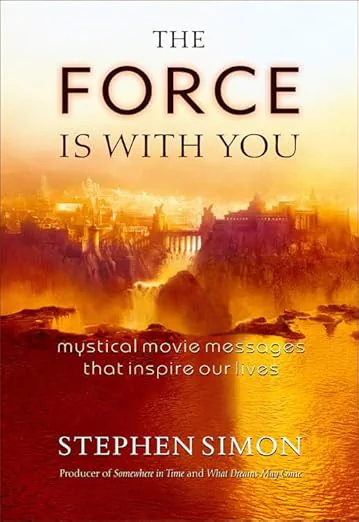
Selected titles from the guest bibliography. Use them as context for this appearance, not required listening.