
DeLong offers a blistering critique of FBI management, identifying three systemic problems: agents can apply for supervisory positions with only three years of experience, specialization is neither required nor honored, and incompetent managers are routinely promoted rather than disciplined. She describes the institutional failures that preceded September 11th, noting that agents in Phoenix and Minneapolis had crucial intelligence that headquarters ignored.
The discussion covers post-9/11 civil liberties concerns including the Patriot Act's expanded detention powers, FBI monitoring of library records, and whether inter-agency communication has genuinely improved. DeLong shares her conviction that the anthrax attacker is male, citing the absence of any female serial bomber in criminal history, and expresses surprise that no further attacks have occurred on American soil.
Key Moments
Patriot Act vs. the Privacy Act in libraries: Art reads the San Francisco Chronicle story that the FBI is checking Americans' reading habits under a Patriot Act provision; DeLong recalls walking Montana libraries during the Unabomber hunt and explains that since the Privacy Act, librarians won't release records without a subpoena.
Echelon and where the line gets crossed: Art presses DeLong on Echelon's keyword scanning of phone calls and the workaround of having Britain monitor U.S. citizens on America's behalf, asking when the war on terror starts destroying the very freedoms it claims to defend.
FBI, CIA, and NSA all dropped the ball on 9/11: DeLong walks through Coleen Rowley's Minneapolis memo, the CIA's prior surveillance of two hijackers identified as Al-Qaeda, and an NSA September 10 intercept - concluding all three agencies failed and that 11 of the 19 hijackers were stopped and questioned that morning.
Moratorium on students from criteria countries: DeLong describes being shaken that the dirty bomb suspect was a Chicago-born gangbanger turned al-Qaeda affiliate, then calls for halting student visas from countries that support terrorism: 'we shouldn't be responsible for training people to kill us.'
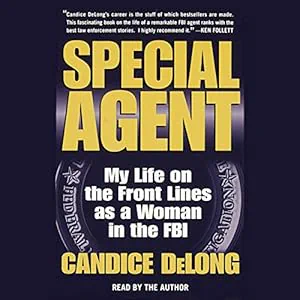
Books by This Guest
Selected titles from the guest bibliography. Use them as context for this appearance, not required listening.
Continue exploring
Paths out of this episode
A stronger next move anchored to this specific broadcast.