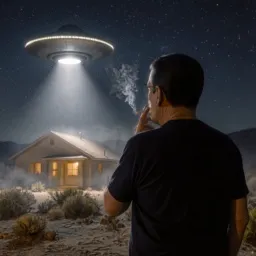
Hogue examines why the predicted millennium terrorism and the July 1999 "king of terror" prophecy did not manifest as expected. Hogue argues that widespread public awareness of these prophecies may have helped prevent disasters, much as Y2K preparations averted a technological crisis. He proposes that the true "king of terror" descending from the skies is global warming, not a terrorist figure, and stakes his interpretive reputation on a 30-year window of escalating climate disruption.
The conversation shifts into a spirited exchange about the nature of faith, religion, and miracles. Hogue challenges traditional religious dogma while affirming a universal human impulse toward the sacred, and Art shares his own uncertainty about God, the afterlife, and the origins of existence.
Key Moments
Hogue calls virgin birth myth: John Hogue tells Art that much of what is taught as religion is myth, and questions virgin-birth dogma as a holdover the new millennium should outgrow.
Death, dogma, and the mystery: Hogue argues that absolute faith in an afterlife removes the fear of death and prevents people from confronting the real mystery of life.
Equal-opportunity provoker of new thinking: When Art asks if his book will be banned by every religion, Hogue says there are things worth writing and dying for, and declares himself ready.
King of Terror is global warming: Hogue reveals his reinterpretation of Nostradamus' famous July 1999 King of Terror prophecy: not a terrorist event but global warming, opening a 30-year window of climate disasters.
Hothouse hurricanes prophecy: Hogue reads 1918 Swedish prophet Anton Johansson's vision of hurricane-force storms hitting England, Holland, Belgium, Germany, Denmark, and Sweden, tying it to the 100mph storm that just hit Scotland.
Books by This Guest
Selected titles from the guest bibliography. Use them as context for this appearance, not required listening.
1000 For 2000: Predictions for the New Millennium
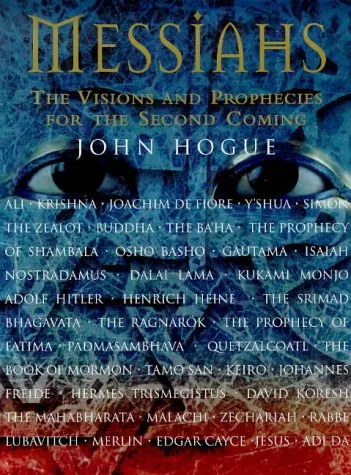
Messiahs: The Visions and Prophecies for the Second Coming
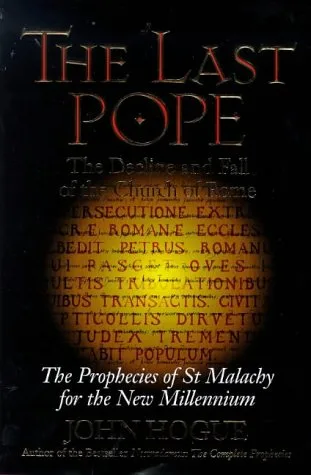
The Last Pope: The Decline and Fall of the Church of Rome: The Prophecies of St. Malachy for the New Millennium
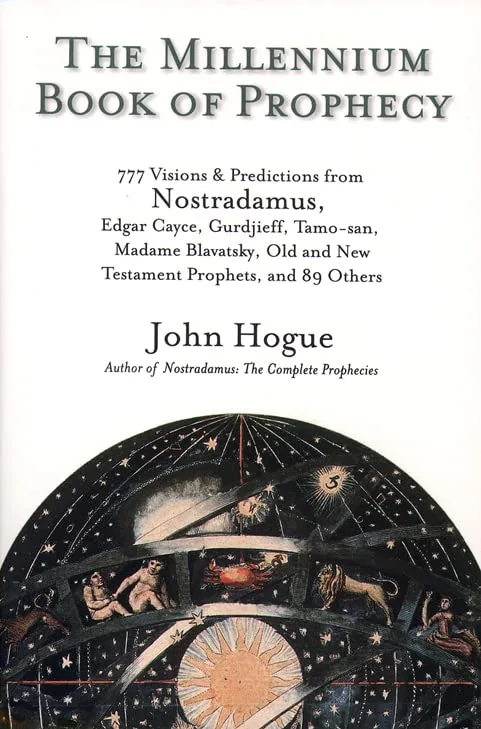
The Millennium Book of Prophecy
Continue exploring
Paths out of this episode
A stronger next move anchored to this specific broadcast.