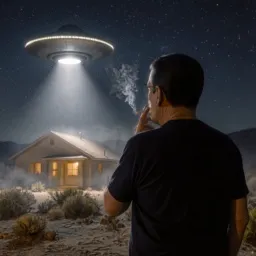
Heron argues that primitive humans lacked the technology to move 800-ton stone blocks at Baalbek in Lebanon or construct monuments incorporating astronomical knowledge that modern engineers still cannot replicate. He connects the Nephilim to mythological figures like Apollo, Hercules, and Zeus, noting that cities across the Mediterranean bear names derived from these beings. Art pushes back, citing the burial grounds near Giza with inscriptions from Egyptian workers, but acknowledges that no scholar can explain the construction methods.
The conversation shifts to biblical prophecy as Heron outlines signs of the apocalypse, including wars, famines, earthquakes, and the return of Israel as a nation in 1948. He describes a subterranean prison called Tartarus where the original Nephilim remain confined, warning that the Book of Revelation predicts their eventual release during a future period of unprecedented destruction.
Key Moments
Nephilim built the pyramids: Heron names the Nephilim - 'fallen angels' from the Hebrew nephal, to fall - as the builders of the Great Pyramid, arguing they manifested as spirit-men who took human wives and produced the giants behind Greek, Roman and Egyptian myth.
The pit of the abyss and the king named Apollo: Heron locates the pre-flood Nephilim in a subterranean prison - Tartarus, the abyss - and says Revelation 9 has them released in the future under a king whose Hebrew name Abaddon and Greek name Apollyon is the Apollo of Greek myth.
1948 Israel as the prophetic countdown clock: Heron names Israel's 1948 statehood after a 2,000-year scattering as the central end-times sign, with the Valley of Megiddo set as the location where the seven-year apocalypse climaxes.
Og of Bashan's eighteen-and-a-half-foot bed: Heron retells the post-flood Nephilim - the sons of Anak who made Israelite spies look like grasshoppers - and the cubit measurements of King Og's bed translating to 18.5 feet long by 8 feet wide.
Shadow people, ghosts and 'familiar spirits': Art raises the recurring caller phenomenon of shadow figures glimpsed in peripheral vision; Heron ties it to post-flood Nephilim still at large and reframes ghosts and mediums' grandmothers as deceiving 'familiar spirits' from the Old Testament.
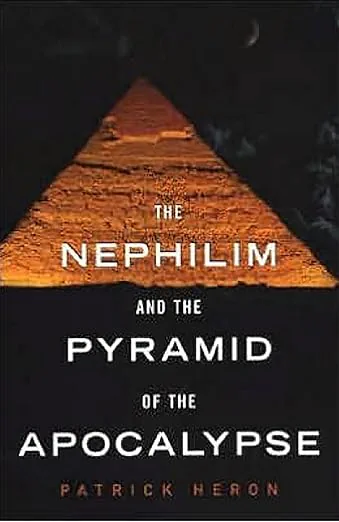
Books by This Guest
Selected titles from the guest bibliography. Use them as context for this appearance, not required listening.
Collection
More collections featuring this episode
Continue exploring
Paths out of this episode
A stronger next move anchored to this specific broadcast.