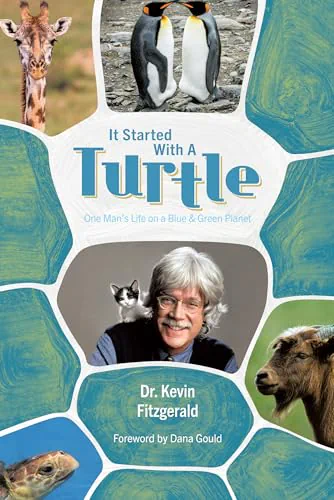
February 28, 1997: The Implications of Cloning - Dr. Kevin FitzGerald
The conversation dives deep into the mechanics of cloning, from the mammary cell technique used at the Roslyn Institute to the prospect of growing replacement organs and its unsettling implications. FitzGerald explains why cloning armies would be genetically vulnerable, how cancer cells hold paradoxical clues to immortality, and why insurance companies gaining access to genetic data poses a serious societal threat. Art pushes hard on whether a clone would possess a soul, drawing FitzGerald into profound territory.
This episode captures a pivotal moment in scientific history as the world grapples with a discovery Art compares to splitting the atom. FitzGerald brings measured wisdom to a debate already spiraling into panic, offering listeners both intellectual grounding and spiritual perspective on the dawn of genetic manipulation.
Key Moments
DNA fingerprint confirms Dolly is real: FitzGerald walks through the Roslin Institute paper: 277 original tries, ~17 successful fusions of an adult mammary cell with an enucleated egg, one viable lamb, and DNA fingerprinting that matches the donor sheep exactly.
Why the donor cell was a pregnant mammary cell: FitzGerald explains the technical reason the breakthrough used a mammary cell from a pregnant ewe - the gland was under rapid growth pressure preparing to lactate - and notes this might mean cloning a male, or any non-pregnant adult, would face additional obstacles.
Jesuit priest on whether a clone has a soul: Bell asks the theological question head-on: would a cloned 'junior Art Bell' have a soul? FitzGerald reaches for Louise Brown - the first IVF baby - as the parallel: an 'unnatural' method, and yet a healthy, normal, 'soulful' teenager. Frames cloning as continuous with humanity's God-given creative mandate to heal.
Why a cloned army would be weaker, not stronger: On the dystopian 'army of clones' fear, FitzGerald flips the premise: identical genetics means identical susceptibilities. A heterogeneous army would simply target the shared weakness. 'The strength of a species is in its diversity.'
Preserved source
From the original ArtBell.com archive
The 2003 commemorative archive preserves the contemporary listing for this broadcast. Links and descriptions reflect the original site and may be outdated.
View the original program listingBooks by This Guest
Selected titles from the guest bibliography. Use them as context for this appearance, not required listening.
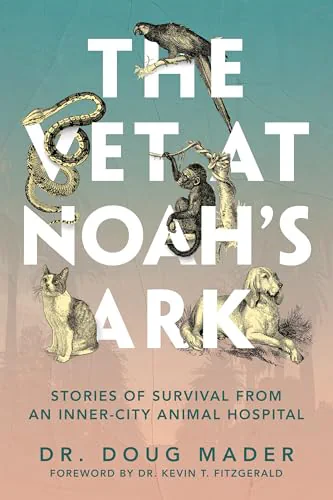
The Vet at Noah's Ark: Stories of Survival from an Inner-City Animal Hospital
2022