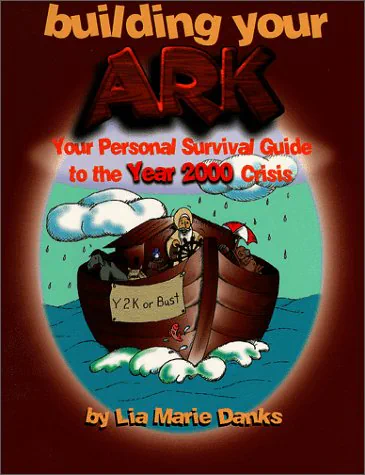
Danks offers detailed advice on water storage and purification, recommending expedition-grade filters over cheap store-bought models and explaining that boiling works for temporary situations but cannot remove heavy metals. She shares creative tips, including freezing water in two-liter bottles to both preserve frozen food during outages and provide drinking water as they thaw. She also suggests burying an old refrigerator in the backyard as an improvised root cellar to keep food cool without electricity.
The discussion turns to food storage strategies for people at every income level, from pre-packaged nitrogen-sealed meals to bulk beans and grains stored with oxygen absorber packets. Danks addresses the difficult moral questions of sharing limited supplies, health care vulnerabilities, and the pharmaceutical industry's unreadiness, citing a Senate report that 64 percent of hospitals had no plans to test their Y2K fixes.
Key Moments
How an Ed Yourdon printout three years earlier started it all: Danks recounts a college professor handing her an early printout of Ed Yourdon's Time Bomb 2000 three years before the broadcast. With a 35-year background in history, she saw the pattern of civilizations going up to the edge and falling over, and began compiling personal preparedness lists that friends laughed at - then asked to copy.
1% fault tolerance and the April Fool's Day rollover: Danks explains a complex-systems article her friend forwarded: a system can keep operating with about 1% fault rate, meaning Y2K compliance must reach 99% for things to keep running. She also flags April 1, 1999 as the first major test date - the fiscal-year rollover for Japan, Canada, and New York State.
Water is the first preparedness priority: Danks argues water is the most critical preparedness item: 50,000 people a day die globally from water-borne disease, children can dehydrate in hours, and most Americans have no idea how to find potable water beyond the tap. Art presses with the Chicago apartment scenario, and Danks walks through filtration versus purification.
Preserved source
From the original ArtBell.com archive
The 2003 commemorative archive preserves the contemporary listing for this broadcast. Links and descriptions reflect the original site and may be outdated.
View the original program listingBooks by This Guest
Selected titles from the guest bibliography. Use them as context for this appearance, not required listening.