
Dr. Klatz outlines the scientific breakthroughs he believes will allow people alive today to push well beyond natural limits. He describes the Human Genome Project's ahead-of-schedule progress in mapping every gene in the human body and predicts reliable genetic therapies within 20 years that could reset aging at the cellular level. The conversation covers hormone replacement therapy, including newly FDA-approved human growth hormone for aging-related conditions, along with practical recommendations for antioxidants, selenium supplementation, and exercise. Klatz and Art also discuss the politics of pain medication, the promise of antiviral drugs, and the five-year timeline he projects for an AIDS cure.
Art presses Klatz on the philosophical question of why anyone would want to live forever, and Klatz responds with a personal goal of 150 years before calling his friend Dr. Jack Kevorkian for a house call.
Key Moments
Stay alive 30 years and the clock may stop: Klatz frames the central anti-aging thesis: biotech, hormone replacement, and the Human Genome Project (ahead of schedule, projected 2000-2001) will let us reset cellular genetic programming and eliminate degenerative diseases of aging.
Stacking therapies to reach 120 years: Klatz lays out a stacked-therapy ladder: clean living gives 75-85 years, optimum antioxidants add 10 more, and hormone replacement therapy (DHEA, melatonin, human growth hormone, estrogen, testosterone) can push lifespan to about 120.
Hormone replacement reverses aging markers: Klatz describes the practical effect of hormone replacement therapy on older patients: wrinkles disappear, energy increases, body fat drops, lean muscle and bone mass return - flattening the catabolic decline that begins around age 25.
Five-year timeline for an AIDS cure: Klatz argues protease inhibitor cocktails already suppress HIV to undetectable levels (citing Magic Johnson) and predicts a true cure within five years once researchers can flush the viral reservoirs hiding in white blood cells.
An aspirin a day - the strongest science: Klatz singles out aspirin as the one nutritional/pharmacologic intervention with overwhelming evidence - at least two dozen large human studies showing reduced risk of heart disease, stroke, and possibly colon cancer. He takes one daily himself.
Preserved source
From the original ArtBell.com archive
The 2003 commemorative archive preserves the contemporary listing for this broadcast. Links and descriptions reflect the original site and may be outdated.
View the original program listingBooks by This Guest
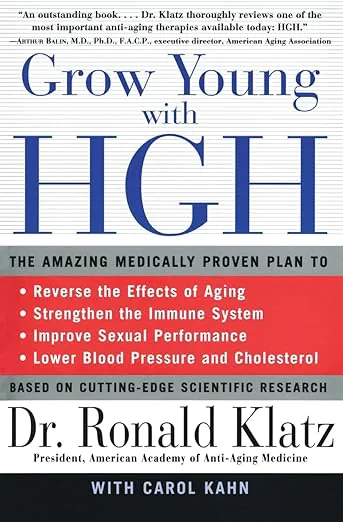
Selected titles from the guest bibliography. Use them as context for this appearance, not required listening.
Continue exploring
Paths out of this episode
A stronger next move anchored to this specific broadcast.