Alper presents evidence from brain imaging studies and temporal lobe epilepsy research showing that specific regions of the brain mediate spiritual experiences. He cites Dr. Michael Persinger's transcranial magnetic stimulator, which triggered a religious experience in an agnostic researcher by stimulating the temporal lobe.
Art challenges Alper throughout, noting that no isolated human culture has ever been found without belief in a higher power. Alper counters that this universality itself suggests biological wiring rather than external truth, arguing that a genuine God would not program creatures to perceive him so differently that they kill each other over competing interpretations.
Key Moments
The God part of the brain: Alper argues there is no verifiable evidence for a higher power, only that human brains are wired to compel us toward feelings of bliss, ego dissolution, and 'cosmic or God consciousness,' and that the belief systems and the sensations live in two distinct parts of the brain.
Sodium ion pumps and the soul: Bell pushes the first law of thermodynamics, arguing the electrical energy of consciousness must persist after death; Alper counters that the specific organized form, the sodium ion pump firing neurons, ceases at death and that conserved energy redistributed as soil and cosmic dust is not 'us.'
Red, middle C, and the wiring for God: Alper uses color and middle C as analogies: both can be elicited by direct electrical stimulation of the brain, and people from different cultures perceive God differently because we are not seeing a literal deity but are merely 'wired to perceive a greater force.'
Bell tests Alper with the Rothschild story: Bell recounts Joel Rothschild's account of his dead partner Albert directing him from beyond death to a suicide note hidden in a neighbor's trash can, with the LAPD as witnesses, and asks Alper how a brain-only model explains it.
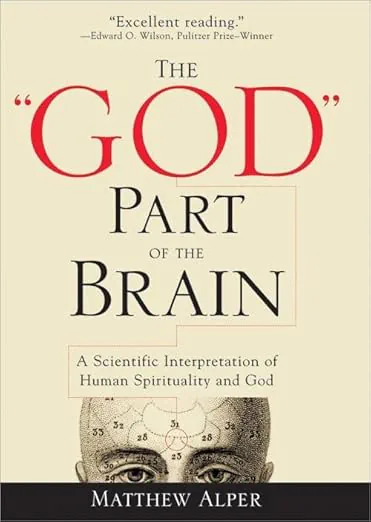
Books by This Guest
Selected titles from the guest bibliography. Use them as context for this appearance, not required listening.
Continue exploring
Paths out of this episode
A stronger next move anchored to this specific broadcast.