
December 16, 1999: Ancient Artifacts in the US - Robert Ghost Wolf & Dannion Brinkley
Brinkley reveals he took photographs of key artifacts to famed Egyptologist Zahi Hawass, who identified one piece as originating from the Ptolemaic period without knowing it was found in American soil. The two guests also discuss the last-minute cancellation of the planned gold capstone ceremony atop the Great Pyramid, speculating that officials feared activating what they believe is an ancient machine designed to harness electromagnetic energy.
Callers react with a mix of astonishment and skepticism as Art examines the high-resolution photographs posted on his website. Ghostwolf maintains that 12 such sacred record sites exist across the continent, each containing knowledge left by previous civilizations to guide future generations through cyclical catastrophes. The discussion touches on connections to the Book of Mormon, Edgar Cayce prophecies, and Native American oral traditions about ancient visitors known as the Old Ones.
Key Moments
Giza capstone installation called off: Brinkley reports that the planned midnight December 31, 1999 installation of a gold capstone on the Great Pyramid is off, despite Zahi Hawass and Mubarak having pushed for it.
Egyptian artifacts dated before 1492 in US soil: Brinkley argues the Egyptian piece had to be in American ground before 1492, and Hawass identified it as Ptolemaic (429 BC to 200 AD).
Capstone as a machine for solar storms: Brinkley calls the pyramid a machine and claims the gold capstone was meant to diffuse incoming solar-storm electromagnetic energy to ease the coming Earth shift.
Twelve halls of records, only one excavated: Ghost Wolf says tradition holds that twelve such record sites exist worldwide and they have only scratched the surface of one.
Books by These Guests
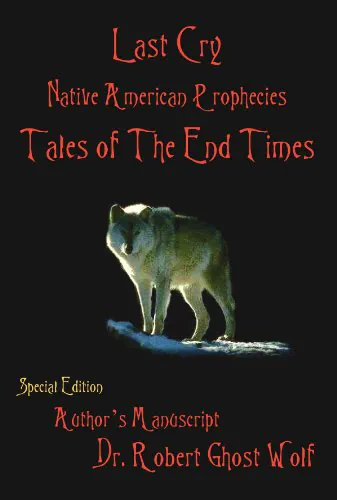
Selected titles from the guest bibliography. Use them as context for this appearance, not required listening.



Continue exploring
Paths out of this episode
A stronger next move anchored to this specific broadcast.