Darling predicts definitive evidence of extraterrestrial life within 10 to 15 years through spectroscopic analysis of exoplanet atmospheres, where oxygen or methane combinations would constitute near-proof of biology. He suggests advanced civilizations may have merged with their machines, becoming synthetic intelligences communicating by means humans cannot comprehend. The interview's most striking turn comes when Darling reveals views he calls unconventional for a scientist: consciousness is more fundamental than the brain, persists after death, and the brain acts as receiver rather than generator. He frames reincarnation as continuation of awareness, drawing on his books "Soul Search" and "Zen Physics: The Science of Death and the Logic of Reincarnation."
A scientist who follows evidence from asteroid trajectories to what survives when the body is gone.
Key Moments
What size asteroid causes an extinction event: Darling explains an extinction-level asteroid would need to be several miles across, with the dinosaur-killer at ~10 miles, and that smaller objects could devastate cities but not civilization.
If a 6-mile asteroid was 5 years out, could we stop it?: Darling says we'd be 'extremely difficult to do anything about it' in a 5-year window - breaking it up creates shrapnel still on collision course, and only deflection over decades could work.
Would you tell the world it's doomed?: Art asks whether to announce an inevitable impact or let people live happy unaware lives. Darling says he'd release the information so people could prepare bunkers and make rational decisions.
The planet is dying: Darling defends the dramatic phrase, saying we're in the midst of a human-caused mass extinction and that whether higher life forms remain in 1,000 years is an open question.
Consciousness is fundamental and survives the brain: Darling departs from scientific orthodoxy: consciousness isn't created by the brain but received by it like a filter, and continues after death as a 'series of adventures in consciousness.'
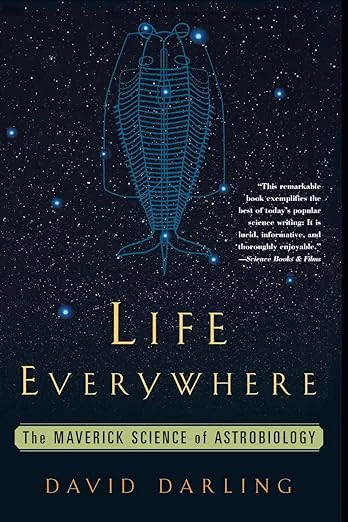
Books by This Guest
Selected titles from the guest bibliography. Use them as context for this appearance, not required listening.
Continue exploring
Paths out of this episode
A stronger next move anchored to this specific broadcast.