On Y2K, Skousen partially disagrees with Gary North, arguing that while computer systems will not be fully compliant, manual workarounds exist for most critical infrastructure. He warns that the real danger lies in social unrest during a potential two-week disruption period, particularly in dense urban areas like Los Angeles and the major East Coast cities. He recommends contingency planning over permanent relocation for the millennium transition.
Skousen then presents his most provocative claim: that President Clinton signed directives removing the launch-on-warning nuclear doctrine, taking missiles off alert, and stripping submarine commanders of autonomous launch authority. Art expresses deep skepticism until his webmaster locates a corroborating statement from Robert Bell of the National Security Council on armscontrol.org. Skousen names twelve high-risk U.S. cities near major military targets and identifies the Intermountain West as the safest region in North America for long-term strategic relocation.
Key Moments
Two-week vulnerability window after Y2K: Skousen partly disagrees with Gary North: workarounds exist for most Y2K problems, but if power stays out beyond a week or two, social unrest in major metro areas is virtually guaranteed.
Russia is faking weakness, not weak: Skousen argues Russia's unpaid soldiers and decayed morale are real but deliberately deployed Sun Tzu deception, while underground nuclear and chemical/biological weapons programs are being aggressively expanded.
Clinton ends launch-on-warning doctrine: Skousen claims a December 7, 1997 Clinton executive order changed U.S. nuclear doctrine to absorb a first strike rather than launch on warning, and took missiles off alert - which he says invites maximum Russian launch.
Inviting nuclear war to enable a New World Order: Pressed by Art, Skousen argues Clinton is a yes-man inviting a Russian first strike because only a horrendous nuclear war can crush U.S. national sovereignty and clear the way for a UN-led world government.
Preserved source
From the original ArtBell.com archive
The 2003 commemorative archive preserves the contemporary listing for this broadcast. Links and descriptions reflect the original site and may be outdated.
View the original program listingBooks by This Guest
Selected titles from the guest bibliography. Use them as context for this appearance, not required listening.
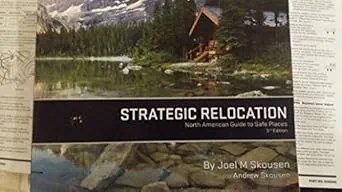
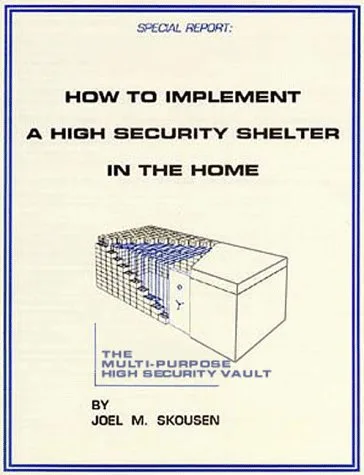
How to Implement a High Security Shelter in the Home
Continue exploring
Paths out of this episode
A stronger next move anchored to this specific broadcast.